Accelerating DRE Adoption through Ecosystem Building
This project focused on accelerating the adoption of Distributed Renewable Energy (DRE) solutions by strengthening local ecosystem partners and supporting rural livelihood enterprises with solar-powered productive-use technologies. The initiative combined clean energy deployment with incubation support, enterprise development, and capacity-building interventions to create sustainable and scalable rural business models.
78,400
The Challenge
While direct enterprise support demonstrated strong results in improving productivity and reducing energy costs, scaling these solutions required a broader ecosystem approach. Local NGOs had strong community outreach and field presence but lacked structured incubation systems and technical frameworks needed to support enterprise growth effectively.
The project addressed this gap by building institutional capabilities while enabling enterprises to adopt productive-use renewable energy technologies — creating the conditions for self-sustaining, long-term scalability.
What We Did
Enterprise sectors supported across the project:
- Established strategic partnerships with SeSTA and YouthNet as regional incubation partners
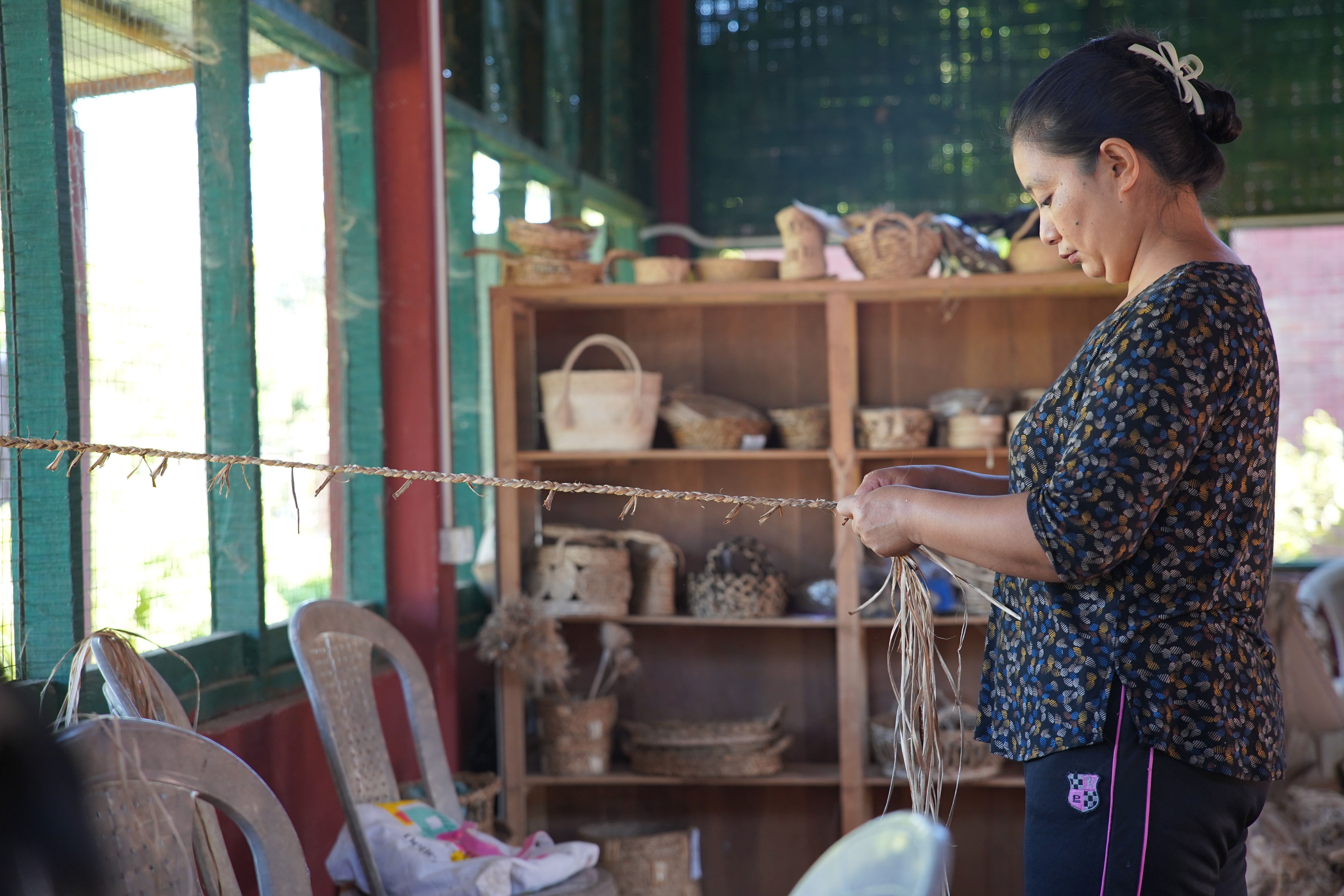
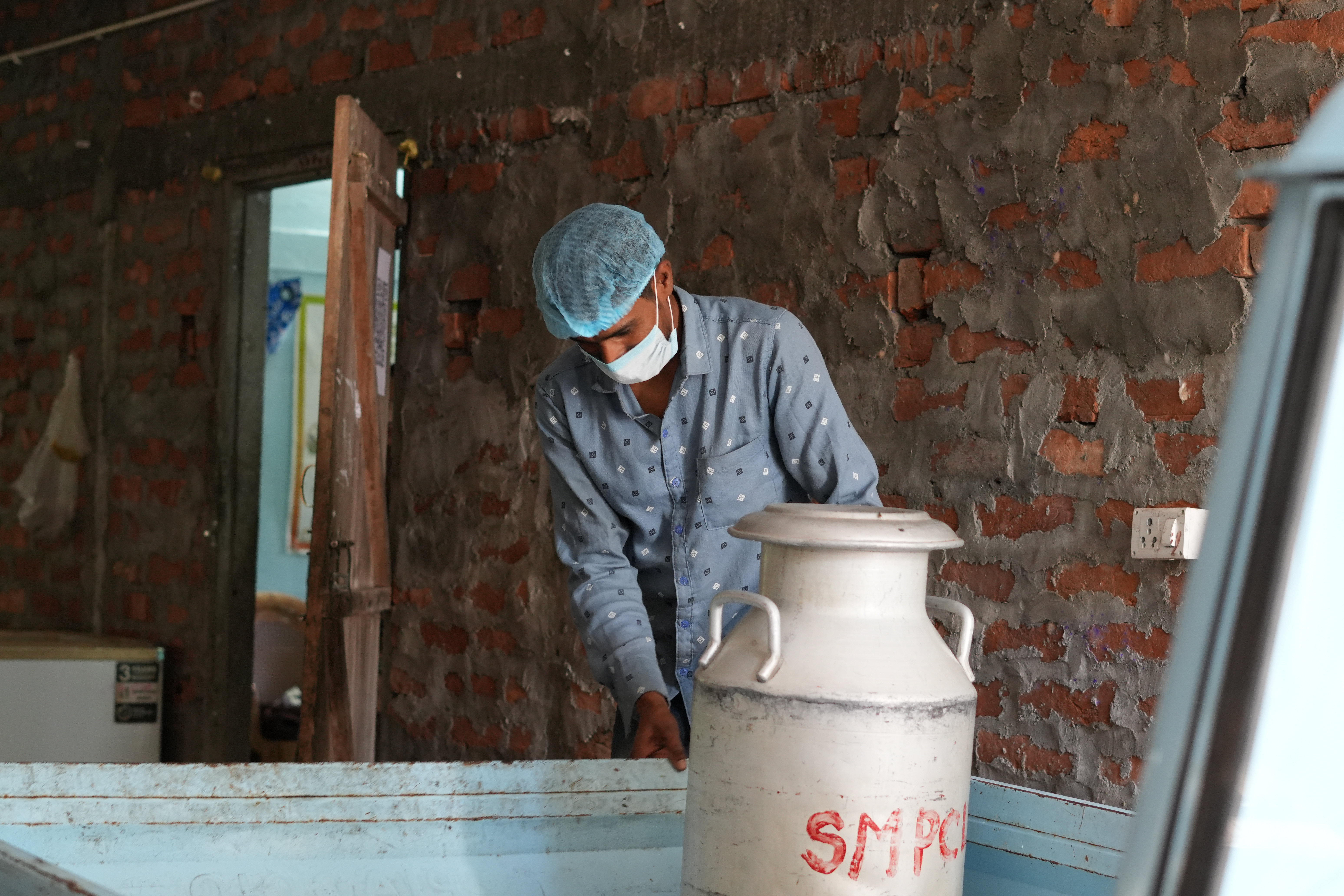
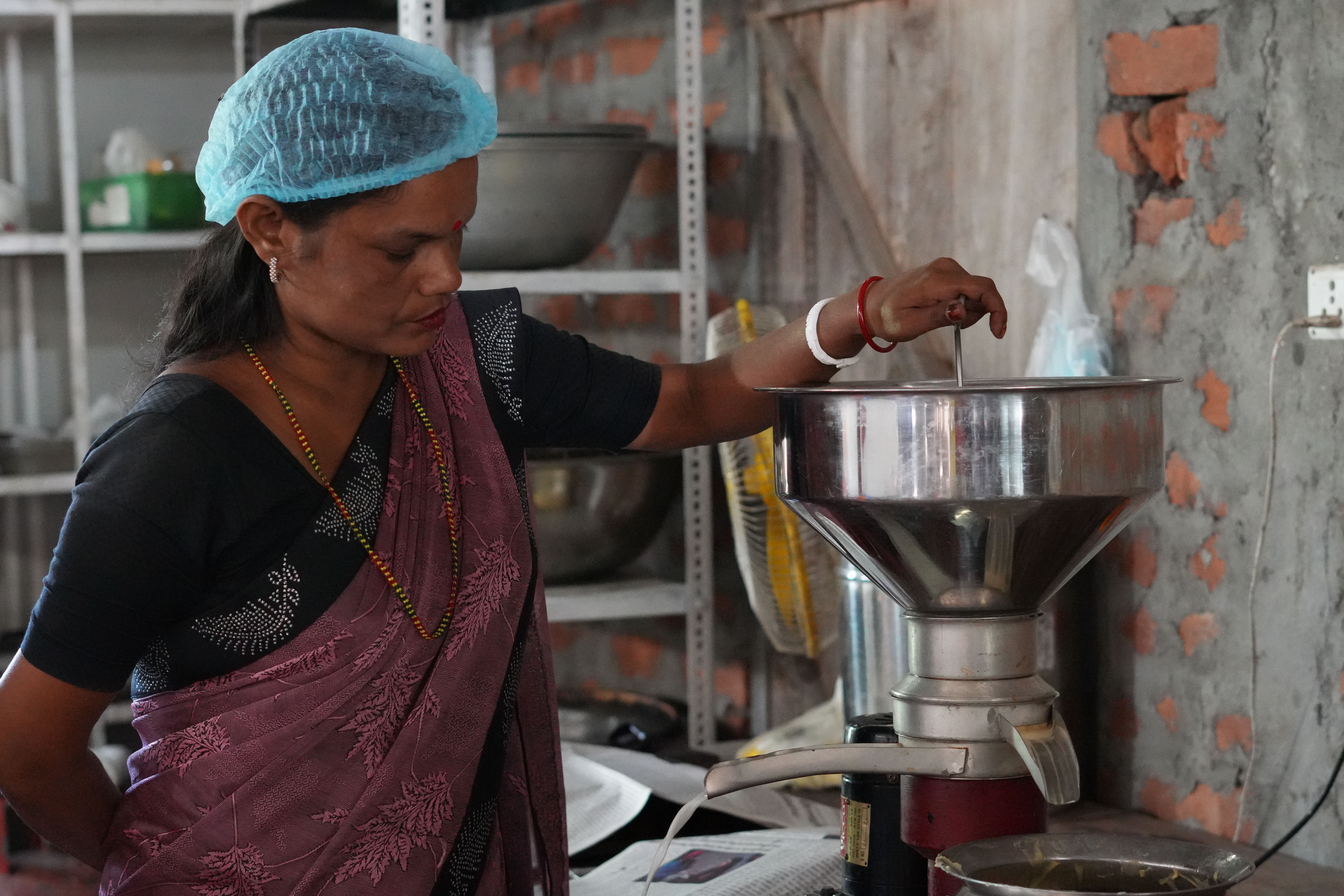
- Selected enterprises across dairy, puff rice processing, banana fiber production, and rice milling value chains
- Designed and deployed customized solar-powered DRE systems based on individual enterprise requirements
- Conducted capacity-building programs for NGO partners on incubation methodologies, Human-Centered Design (HCD), and market systems development
- Developed operational frameworks, enterprise support systems, and monitoring tools for long-term scalability
- Supported enterprises with technical guidance and business development assistance throughout the project
Results That Matter
The project created lasting impact at both enterprise and ecosystem levels — improving livelihoods in the short term while building the institutional foundations for sustained DRE adoption at scale.
- Enabled deployment of DRE systems across dairy, rice milling, puff rice processing, and banana fiber production sectors
- Improved enterprise productivity through reliable solar-powered operations and reduced machine downtime
- Reduced dependence on diesel generators and unreliable grid electricity, lowering recurring energy costs
- Demonstrated scalability of clean energy integration for rural processing enterprises and livelihood businesses
- Increased production capacity across participating enterprises through efficient and uninterrupted operations
- Strengthened incubation and enterprise support capabilities of SeSTA and YouthNet for long-term ecosystem development
Key Achievements
Project Gallery